
What’s happening?
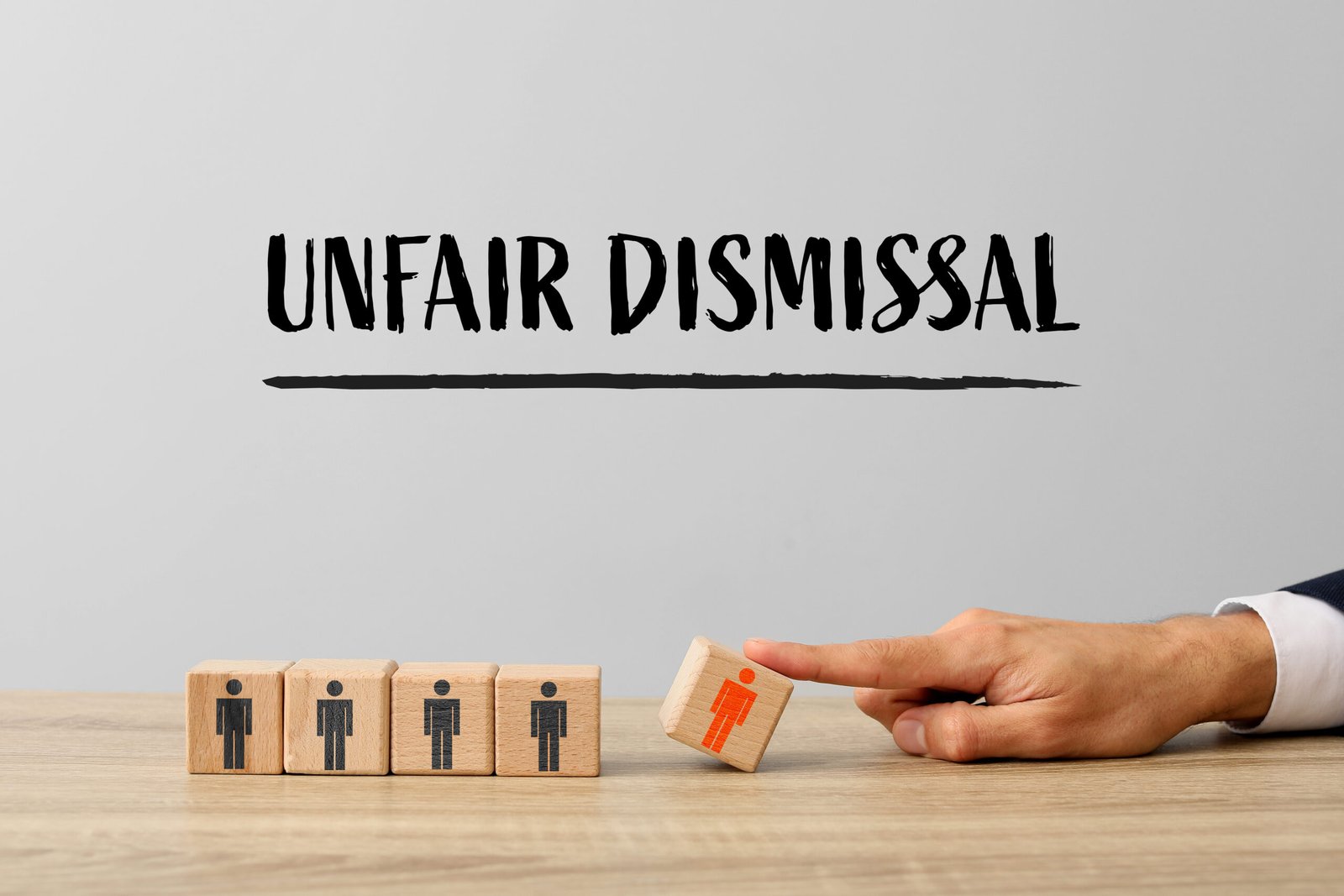
From 1 January 2027, employees in Great Britain will qualify for ordinary unfair dismissal protection after six months’ continuous service, down from two years. The change comes under the Employment Rights Act 2025, which also removes the cap on compensatory awards. Employees with at least six months’ continuous service on 1 January 2027 will be covered.
If you’ve left preparations for next year, move them up the list. The people affected already work for you. Some may be employees you’ve been meaning to have a conversation with for a while.
What is unfair dismissal?
Unfair dismissal happens when you dismiss an employee without a fair reason, or handle the dismissal unreasonably. You might have valid concerns about someone’s performance, but you still need to follow a fair process.
For example, dismissing someone for missed targets could be unfair if you’ve never raised the problem or given them a reasonable chance to improve. Frustration with an employee won’t, on its own, justify the decision to let them go.
But this isn’t limited to performance. An unfair redundancy selection process or a misconduct dismissal without a reasonable investigation could also lead to an unfair dismissal claim. Some protections, including those relating to pregnancy or whistleblowing, apply from day one.
What changes on 1 January 2027
The government’s unfair dismissal factsheet confirms the shorter qualifying period. Employees will also be able to request written reasons for dismissal after six months, down from two years.
Then there’s the potential cost. Compensatory awards are currently generally capped at the lower of £123,543 or 52 weeks’ gross pay. From 1 January 2027, the cap goes.
A poorly handled dismissal involving a senior employee on a high salary could leave you facing a much bigger bill, especially if they struggle to find comparable work. A tribunal will still assess the losses before awarding compensation, but the current ceiling will no longer limit the payout.
Existing employees are covered too, meaning someone who joined in March 2026 will gain protection in January 2027. That’s around 14 months earlier than under the old rules. You don’t need to make another hire for the change to affect your business.
Why a 20-person business can feel the change more than a 400-person one
Someone will usually track probation dates and help managers address performance concerns in a 400-person business. But the job may fall to you if it’s a business with around 20 people, and you’ll likely be fitting it in between chasing a customer and reviewing the cash forecast.
Let’s say a manager mentions a new hire isn’t working out, and you agree to give them more time. A month later the concern comes up again, but this time a customer launch takes priority. Another few weeks pass without anyone speaking to the employee.
Delays are easy to understand when you’re running a growing business. There’s always another problem demanding your attention. Meanwhile, the employee may have no idea you’re unhappy with their performance. As far as they know, work is going well. Nobody has told them otherwise.
Alongside updating your policies, pay attention to postponed conversations. You can update a document in an afternoon, but you can’t go back and give someone feedback they never received or a fair chance to act on it. With ordinary unfair dismissal protection starting at six months, you have less time to let concerns go unaddressed.
Start with the people decision you keep postponing
You probably already know which conversation needs to happen. Perhaps you hired someone senior before the business was ready for them. The salary made sense in your growth plan, but six months later you’re still struggling to explain what they’re responsible for.
Or a manager keeps losing good people, and you’ve accepted their explanation that every departure was someone else’s fault. You have doubts, but haven’t made time to really question them about it.
Make time for what comes next
Once you raise the concern, you’ll need to follow it through. You may also have to acknowledge your own part in the problem. Neither prospect makes the conversation easier to fit into a busy week. From January, that two-year window becomes six months. Those conversations will be much harder to keep pushing into next week.
Start by asking what you want to change and whether you’ve explained it clearly to the employee. If you haven’t, they need the chance to hear your concerns and respond.
Clearer expectations may be enough to help them succeed. Or the discussions may confirm the arrangement isn’t working. Either way, you’ll have a firmer basis for deciding what to do next than another private conversation with your co-founder about the same unresolved problem.

What to do between now and January
1) Work out who will qualify
Check who will have six months’ continuous service on 1 January. Employees with two years already have protection, so the people newly covered by this change are the ones who will gain it earlier than expected.
Then look at any unresolved concerns involving those employees, and give each one an owner and a date for the next conversation. Otherwise, you’ve just made a spreadsheet about a problem you’re still avoiding.
2) Review the length of probation
For new hires, consider a five- or five-and-a-half-month probation, with regular check-ins along the way. That means paying attention throughout. If someone needs support in their second month, they need to hear about it then. Saving all the feedback for the final review wastes time they could have spent improving.
For new hires, consider a five- or five-and-a-half-month probation, with regular check-ins along the way. That means paying attention throughout. If someone needs support in their second month, they need to hear about it then. Saving all the feedback for the final review wastes time they could have spent improving.
Pro tip
Before changing existing probation terms, check what you’ve already agreed to in the contract and whether you need the employee’s agreement.
3) Know where things stand by month four
By month four, you should have a clear view of how someone is getting on. If there are concerns, they should already know what needs to improve and have had support to work on it. Use that review to agree what happens next, leaving time for any further process and the applicable notice period. Don’t assume that making a decision before six months means someone falls outside unfair dismissal protection.
Pro tip
Don’t leave it until month five to ask how someone’s getting on. Regular check-ins should mean the probation review holds no surprises
4) Help managers put feedback in writing
Always follow up the conversation with an email confirming what you discussed, what needs to improve and when you’ll review progress. Include the employee’s response, so you both have a clear record to look back on.
Keep it specific, too. Someone who has missed an agreed deadline twice needs to understand the impact and what you expect next. A vague instruction to be more proactive leaves plenty of room for misunderstanding.
Managers may need support to give clear feedback before you ask them to document it. Acas, the workplace advisory service, explains why following a fair dismissal procedure is so important. A written record helps show how you handled concerns, but it can’t make up for feedback the employee never understood.
5) Check the contracts you’re sending out
Check how your probation and notice clauses work together, then look through the supporting policies for references to the two-year qualifying period. If you’re still using the template you hired your first employee with, it’s worth taking a fresh look. My HR foundations work covers the review, so your paperwork reflects how you manage people day to day.
Extending probation doesn’t stop the clock
Paying someone in lieu of notice doesn’t necessarily keep them below the six-month qualifying period. Employment may end immediately, but under section 97 of the Employment Rights Act 1996, the statutory notice they’re entitled to can still count when working out whether they qualify for ordinary unfair dismissal protection. At this stage, that’s normally one week—not the full notice period in their contract.
That’s why you shouldn’t build a plan around dismissing someone just before the deadline. Check the dates and notice position before acting.
Probation extensions can lead to a different misunderstanding
Another month on probation doesn’t mean another month before statutory rights apply. The employment clock keeps running. If a manager wants an extension, ask what they’ll be able to assess during that month that they can’t assess now. Sometimes there’s a good answer. If no one can explain what the extra time is for, you’re probably postponing the decision again.

Frequently asked questions
When does the Employment Rights Bill come into effect?
The six-month unfair dismissal qualifying period takes effect on 1 January 2027. The Employment Rights Bill became the Employment Rights Act 2025, with different measures starting at different times. The unfair dismissal changes discussed here begin in January 2027.
Does the six-month rule apply to employees we’ve already hired?
Yes, existing employees with six months’ continuous service on 1 January 2027 will have ordinary unfair dismissal protection from that date. More recent hires qualify when they reach six months. The change applies in Great Britain; Northern Ireland has separate rules.
Is there still a compensation cap for unfair dismissal?
The cap on compensatory awards will disappear from 1 January 2027. Until then, the general ceiling is the lower of £123,543 or 52 weeks’ gross pay. Removing it doesn’t automatically make every claim a large one.
Do we need to change our probation periods?
The change doesn’t legally require you to change the length of probation, but you should review when decisions happen. A six-month probation leaves little room for delays. Extending probation doesn’t delay statutory rights.
What happens if we dismiss someone just before six months?
Under the new rules, they may still qualify because statutory notice can count towards service. Shorter-serving employees can also bring discrimination claims and many automatically unfair dismissal claims. Being below six months doesn’t remove those risks.
Have the conversation while there’s time
I’m not an employment solicitor, and this article isn’t legal advice. But my job is to help founders work through the people decisions that keep landing back on their desks and keep them awake at night.
If you’ve been reading this thinking, “I need to sort this out with someone in my team,” let’s talk.
Book 30 minutes with me and we’ll work out where the pressure is. No pitch, just a conversation about what needs attention before January.